

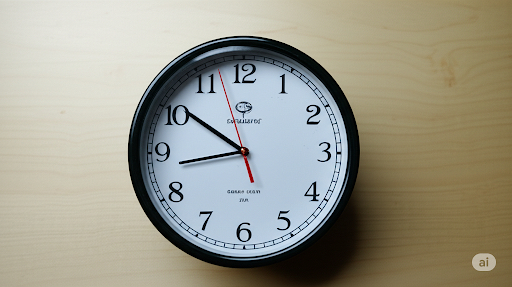
Daylight Saving : Turn your clocks back earlier this year
Daylight Saving Time: Turn Your Clocks Back Earlier This Year
For most of us in the United States, the familiar ritual of “spring forward, fall back” with Daylight Saving Time (DST) is ingrained in our calendars. Typically, we set our clocks forward one hour on the second Sunday in March and revert back to standard time on the first Sunday in November. This year, however, things might be a little different, or at least, the conversation around it is heating up.
There’s been increasing debate and even legislative action regarding the future of Daylight Saving Time. Some advocate for making DST permanent, arguing it leads to more daylight in the evenings and potential energy savings. Others prefer to stick with standard time year-round, citing potential health benefits related to a more consistent sleep schedule.
While there hasn’t been a federal mandate to permanently change the DST schedule just yet, it’s important to stay informed about any potential changes in your state. Some states have already passed legislation to make DST permanent, pending federal approval.
So, what should you do?
- Stay updated on local news: Keep an eye out for any announcements from your state government regarding Daylight Saving Time.
- Double-check your devices: As the traditional date approaches (the first Sunday in November), ensure your clocks are set to automatically adjust if that’s the current plan.
- Be prepared for a change: While it’s not guaranteed, be mentally prepared for the possibility that the “fall back” date could be different in the future.
Even if the date doesn’t change this year, the conversation around Daylight Saving Time is likely to continue. Staying informed will help you adjust whenever the eventual decision is made.


No Comments